

Why do all cryptocurrencies rise and fall together
Cryptocurrency mining describes a process where an individual, group of individuals, or a business, will use high-powered computers to solve complex mathematical equations in an effort to validate a block of transactions https://intececologico.com/casino-review/ignation/. These mathematical equations are part of the encryption that protects transactions from cybercriminals, as well as other people who shouldn’t have access to sender and receiver data.
Every time new miners join the network and competition grows, the hashing difficulty increases, which prevents the average block time from decreasing. Conversely, if many miners leave the network, the hashing difficulty decreases, making it easier to mine a new block. These adjustments keep the average block time constant, regardless of the network’s total hashing power.
Of course, there are fail-safes built in that prevent larger stakeholders from dominating the validation process. There are a host of randomized ways that stakeholders can be chosen to proof transactions, which ensures that smaller stakeholders always have a chance.
I believe the reason not all cryptocurrencies are mined boils down to factors like energy efficiency, scalability, and security. Mining, particularly PoW, is resource-intensive, requiring significant computational power and energy. This has led to concerns about its environmental impact. Ethereum’s switch to PoS was, in part, motivated by the desire to reduce the environmental impact associated with mining.
Bitcoin miners will likely continue charging mining fees when it reaches its limit. Mining is the process of verifying transactions and opening new blocks, which will still need to be done. So, because mining fees will be the only reward, they may increase to compensate miners for their expenses.
Do all cryptocurrencies use blockchain
Using blockchain in this way would make votes nearly impossible to tamper with. The blockchain protocol would also maintain transparency in the electoral process, reducing the personnel needed to conduct an election and providing officials with nearly instant results. This would eliminate the need for recounts or any real concern that fraud might threaten the election.
So, why are we here? To slice through the fog. This article aims to dissect the intricate dance between crypto and blockchain, spotlighting their differences, similarities, and unique quirks. Buckle up, because we’re about to clear up the difference between blockchain and cryptocurrency once and for all.
Using blockchain in this way would make votes nearly impossible to tamper with. The blockchain protocol would also maintain transparency in the electoral process, reducing the personnel needed to conduct an election and providing officials with nearly instant results. This would eliminate the need for recounts or any real concern that fraud might threaten the election.
So, why are we here? To slice through the fog. This article aims to dissect the intricate dance between crypto and blockchain, spotlighting their differences, similarities, and unique quirks. Buckle up, because we’re about to clear up the difference between blockchain and cryptocurrency once and for all.
Understanding the difference between blockchain and crypto is essential for navigating the digital economy. Blockchain is transforming industries, while cryptocurrency remains a major innovation in finance.
A blockchain consists of programs called scripts that conduct the tasks you usually would in a database: entering and accessing information, and saving and storing it somewhere. A blockchain is distributed, which means multiple copies are saved on many machines, and they must all match for it to be valid.
What is the market cap of all cryptocurrencies
Each of our coin data pages has a graph that shows both the current and historic price information for the coin or token. Normally, the graph starts at the launch of the asset, but it is possible to select specific to and from dates to customize the chart to your own needs. These charts and their information are free to visitors of our website. The most experienced and professional traders often choose to use the best crypto API on the market. Our API enables millions of calls to track current prices and to also investigate historic prices and is used by some of the largest crypto exchanges and financial institutions in the world. CoinMarketCap also provides data about the most successful traders for you to monitor. We also provide data about the latest trending cryptos and trending DEX pairs.
CoinMarketCap does not offer financial or investment advice about which cryptocurrency, token or asset does or does not make a good investment, nor do we offer advice about the timing of purchases or sales. We are strictly a data company. Please remember that the prices, yields and values of financial assets change. This means that any capital you may invest is at risk. We recommend seeking the advice of a professional investment advisor for guidance related to your personal circumstances.
In order to send and receive a cryptocurrency, you need a cryptocurrency wallet. A cryptocurrency wallet is software that manages private and public keys. In the case of Bitcoin, as long as you control the private key necessary to transact with your BTC, you can send your BTC to anyone in the world for any reason.
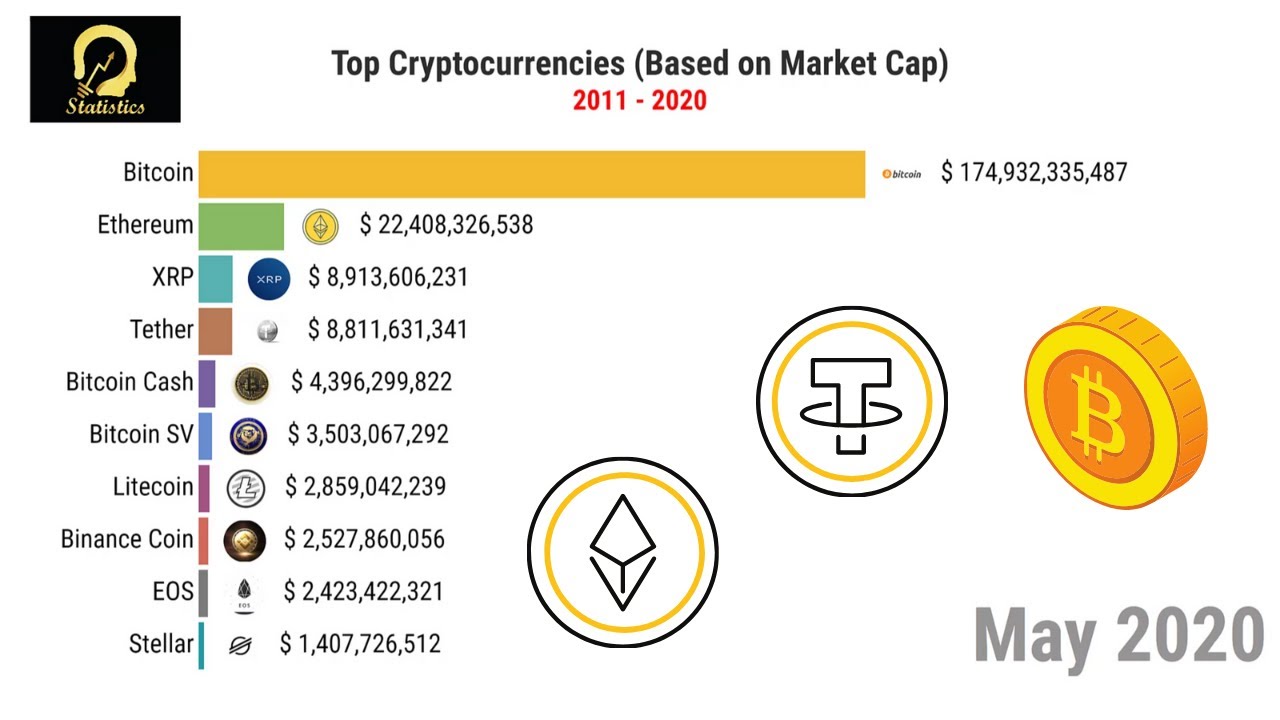
Each of our coin data pages has a graph that shows both the current and historic price information for the coin or token. Normally, the graph starts at the launch of the asset, but it is possible to select specific to and from dates to customize the chart to your own needs. These charts and their information are free to visitors of our website. The most experienced and professional traders often choose to use the best crypto API on the market. Our API enables millions of calls to track current prices and to also investigate historic prices and is used by some of the largest crypto exchanges and financial institutions in the world. CoinMarketCap also provides data about the most successful traders for you to monitor. We also provide data about the latest trending cryptos and trending DEX pairs.
CoinMarketCap does not offer financial or investment advice about which cryptocurrency, token or asset does or does not make a good investment, nor do we offer advice about the timing of purchases or sales. We are strictly a data company. Please remember that the prices, yields and values of financial assets change. This means that any capital you may invest is at risk. We recommend seeking the advice of a professional investment advisor for guidance related to your personal circumstances.
In order to send and receive a cryptocurrency, you need a cryptocurrency wallet. A cryptocurrency wallet is software that manages private and public keys. In the case of Bitcoin, as long as you control the private key necessary to transact with your BTC, you can send your BTC to anyone in the world for any reason.

Deja tu comentario